Special Care Needs
Caring for Special Smiles
Healthy teeth and gums are an important part of staying healthy. For people with intellectual and developmental disabilities (IDDs), mental health conditions, or substance use disorders (SUDs), taking care of the mouth can be harder. However, small steps can make a big difference.
How Mental Health Affects the Mouth
Mental health conditions like depression, anxiety, or psychosis can make it hard to remember or feel motivated to brush and floss. People may feel tired, overwhelmed, or worried. Daily routines, like brushing, can easily be left out.
Many mental health medicines cause dry mouth or teeth grinding. This can increase the risk of cavities and gum problems. When teeth hurt or do not look healthy, people may feel embarrassed or avoid smiling, which can make mood and confidence worse.
How Substance Use Affects the Mouth
Using alcohol or other drugs can change eating, sleeping, and brushing habits. This can harm teeth and gums. For example, methamphetamine can cause very bad cavities and dry mouth. Heavy alcohol use can lead to gum problems and the loss of the top tooth surface.
Some medicines used in treatment, like methadone or buprenorphine, can also cause dry mouth and increase the time sugary drinks or liquids stay on teeth. Even if stopping these medicines is not possible right now, there are simple steps that can help protect this mouth. This includes rinsing with water and using toothpaste with fluoride.
How IDDs Affect the Mouth
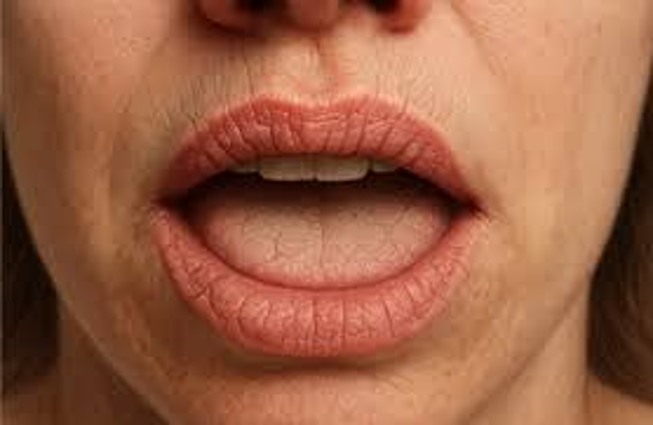
People with IDDs are all different, but many need extra support with brushing, flossing, and getting to the dentist. Some may have trouble with hand movements, understanding instructions, or tolerating certain tastes, textures, or sounds during brushing or dental visits.
Because of these challenges, people with IDDs often have more cavities, gum problems, and tooth loss.
Why Oral Health Matters for Overall Health
Diseases in the mouth can spread and affect other parts of the body. This is especially true in people who already have other medical diseases. Tooth pain or missing teeth can make it hard to eat, talk, or smile. This can harm mood, social life, and independence.
Choosing a Helpful Dental Provider
Finding a dental office that feels safe, kind, and respectful is very important. Patients and caregivers have the right to ask questions and to choose a dentist who understands disabilities, mental health, or substance use.
You can:
-
- Ask if the dentist has experience working with people with disabilities or in recovery from substance use.
- Ask how the office helps patients who feel scared, overwhelmed, or who have had bad experiences in the past (for example, using calm voices, clear explanations, and breaks during care).
- Ask in advance who can give consent (the patient, a guardian, or a health care proxy) and what papers you should bring so there are no surprises.
- Look into clinics in hospitals or community programs if the person has complex medical needs or needs sedation.
Getting Ready for a Dental Visit
Good preparation can help the visit go well and feel safe for everyone. Planning ahead is helpful for people who have sensory sensitivities, anxiety, or trouble with changes in routine.
You can:
-
- Pick the best time of day, when the person is most calm and rested.
- Show what will happen by using simple words, pictures, social stories, or short videos about going to the dentist.
- Bring comfort items like music, headphones, sunglasses, a weighted blanket, or a favorite toy or object.
- Bring a current list of all medicines and share any allergies or health problems.
- Ask the office if you can schedule a short “practice visit” just to see the room, meet the team, and sit in the chair before any treatment is done.
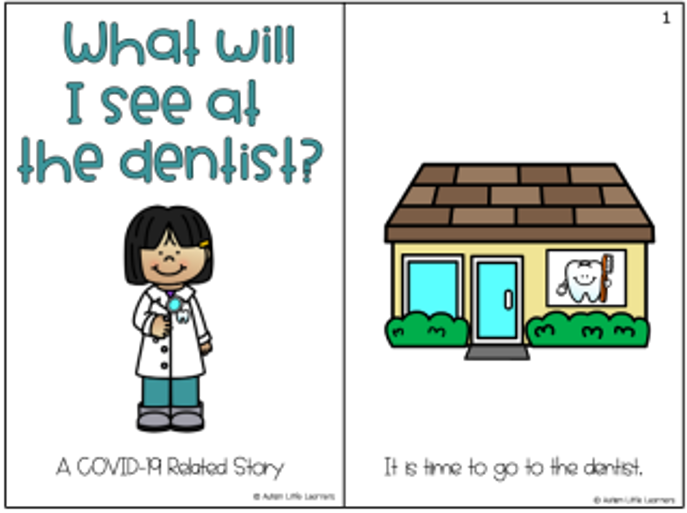
Autism Little Learners. (n.d.). Dentist during COVID story. Autism Little Learners. https://autismlittlelearners.com/hello-now-that-dentists-are-starting-to/
During the Dental Visit
The goal of the visit is to keep the person as comfortable and safe as possible while caring for their teeth and gums. Sometimes this means doing less in one visit and scheduling shorter appointments at different times.
You can:
-
- Tell the team what usually helps such as certain positions, breaks, or specific words to avoid, and what might be upsetting or triggering.
- Agree on a signal (like raising a hand) to pause treatment if the person needs a break.
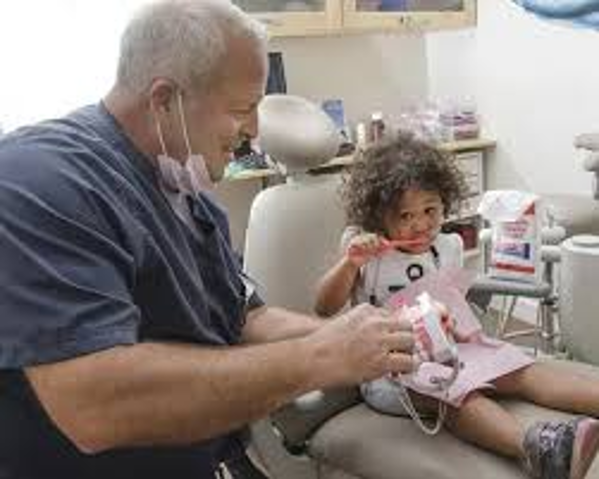
- Ask the dentist or hygienist to “show and tell” before using tools, and to teach brushing and flossing in a simple way, with pictures or demonstrations.
- Ask about extra prevention, such as fluoride varnish or sealants, especially if the person has dry mouth, high sugar intake, or trouble brushing.
Daily Mouth Care at Home
Home care does not have to be perfect to be helpful. The most important thing is to find a plan that fits.
Helpful tips:
-
- Aim for at least one good brushing with fluoride toothpaste every day. The best time is at night. Add a second brushing in the morning if possible.
- Caregivers can give reminders, set alarms, use charts or pictures, or give gentle help.
- Try to limit sugary snacks and drinks, especially between meals and before bed. Water should be the main thing to drink.
- Keep regular dental visits every 3–6 months.
- Notice changes, such as more dry mouth, more snacking, or new pain, and tell the dental or medical team.
- Aim for at least one good brushing with fluoride toothpaste every day. The best time is at night. Add a second brushing in the morning if possible.
Helpful Tools and Products
Certain tools can make brushing and flossing easier.
Options to consider:
-
- Toothbrushes with bigger or padded handles for people who have trouble gripping.
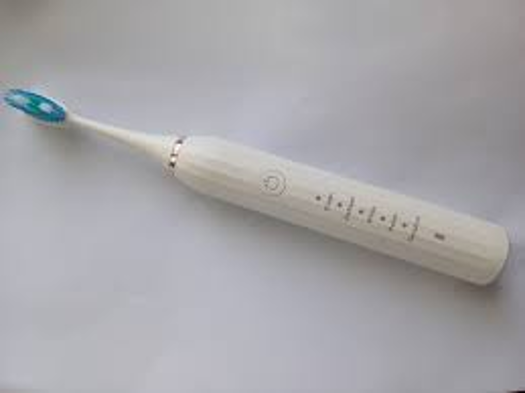
- Electric toothbrushes or water flossers for people who have limited strength or attention (if they can tolerate the sound and vibration).
- Pre‑pasted toothbrushes and simple, step‑by‑step instructions in homes, group homes, or treatment programs.
- Mouth props used carefully by trained providers during treatment, for safety and to help keep the mouth open.
- Products for dry mouth, such as moisturizing gels, rinses, or sugar‑free/xylitol gum or lozenges.
Building Better Habits
Changing habits is hard. Focusing on small, simple goals is more helpful than trying to be perfect.
You can:
-
- Start with one small step, like brushing at night, or rinsing with water after snacks or drinks.
- Connect brushing to a regular activity, like after breakfast or before a favorite TV show or song.
- Use charts, stickers, or simple rewards to celebrate efforts, not just perfect brushing.
- Ask therapists, case managers, or peer support workers to include oral health goals in existing care or recovery plans so everyone is sending the same message.
Harm Reduction For People Who Use Substances
Even if someone is still using alcohol or other drugs, there are steps that can lower the damage to teeth and gums. These steps should feel supportive, not judgmental.
Ideas:
-
- Rinse with water after drinking alcohol, smoking, vaping, using drugs, or throwing up.
- Wait about 30 minutes after vomiting or drinking something very acidic before brushing.
- Use sugar‑free gum or lozenges to help with dry mouth.
- Avoid alcohol‑based mouthwashes if alcohol is a trigger or if dry mouth is severe.
- For people on methadone or buprenorphine, taking the dose with water and rinsing afterward can help reduce contact with teeth.
Pain Control For People In Recovery
People in recovery from substance use may worry about both pain and the risk of relapse. Good communication and planning can help everyone feel safer.
You can:
-
- Ask the dentist about using non‑opioid pain relievers first, like ibuprofen or acetaminophen (if safe for that person).
- Talk openly about any worries related to pain medicines and ask how long they will be needed.
If stronger pain medicine is needed, ask about the smallest amount and shortest time possible and how the dental team will coordinate with the person’s addiction treatment provider.
Working Together With The Care Team
Good oral health works best when everyone involved talks and shares goals. This might include dentists, doctors, therapists, case managers, peer support workers, and family or caregivers.
Working together can help:
-
- Manage medicine side effects like dry mouth, sleep problems, or dizziness.
- Make sure health and recovery plans include simple steps for brushing, diet, and regular dental visits.
- Reduce stress for the patient by keeping the focus on support, respect, and small steps to get healthier.

Citations:
-
- National Institute of Dental and Craniofacial Research. (2021, November 30). Oral health in America: Advances and challenges – Section 2: Oral health across the lifespan. National Institutes of Health. https://www.nidcr.nih.gov/research/oralhealthinamerica/section-2-summary
- National Institute of Dental and Craniofacial Research. (2014). Practical oral care for people with intellectual disability (NIH Publication No. 14-5190). U.S. Department of Health and Human Services. https://www.nidcr.nih.gov/sites/default/files/2020-10/practical-oral-care-intellectual-care.pdf
- Kour, P., Osafo, E., & Goel, R. (2020). Dental management of patients with substance use disorder. Journal of International Society of Preventive & Community Dentistry, 10(4), 410–421. https://pmc.ncbi.nlm.nih.gov/articles/PMC7294521/
- Z, K., Siluvai, S., Kanakavelan, K., Agnes, L., Kp, I., & G, K. (2024). Mental and Oral Health: A Dual Frontier in Healthcare Integration and Prevention. Cureus, 16(12), e76264. https://doi.org/10.7759/cureus.76264 https://pmc.ncbi.nlm.nih.gov/articles/PMC11753583/
- Heaton, L. J., Santoro, M., Tiwari, T., Preston, R., Schroeder, K., Randall, C. L., Sonnek, A., & Tranby, E. P. (2024). Mental health, socioeconomic position, and oral health: A path analysis. Preventing Chronic Disease, 21, E76. https://doi.org/10.5888/pcd21.240097
- Afroz, T., Beyene, J., Zaheer, K., Alameddine, M., Nabi, M. H., Hawlader, M. D. H., & Hossain, A. (2025). Oral health care challenges in individuals with severe mental illness: A qualitative meta-synthesis. Frontiers in Oral Health, 6, Article 1655450. https://doi.org/10.3389/froh.2025.1655450
- American Psychiatric Association. (2023). How dental health and mental health are connected. https://www.psychiatry.org/news-room/apa-blogs/how-dental-health-and-mental-health-are-connected
- Ng, C. H., & Song, A. (2023). Importance of oral health in mental health disorders: An updated review. Current Opinion in Psychiatry, 36(4), 284–290. https://doi.org/10.1097/YCO.0000000000000866
- University of Utah Health. (2025). Yes, your oral health and mental health are connected. https://healthcare.utah.edu/healthfeed/2025/09/yes-your-oral-health-and-mental-health-are-connected
- La Amistad Behavioral Health Services. (2023). Substance use and dental care: Rebuilding hygiene. https://lamistad.com/blog/substance-use-and-dental-care-rebuilding-hygiene/
- RIZE Massachusetts. (2022). Improving the oral health of people seeking substance use treatment. https://www.rizema.org/improving-the-oral-health-of-people-seeking-substance-use-treatment/
- National Institute of Dental and Craniofacial Research. (2022). Developmental disabilities and oral health. National Institutes of Health. https://www.nidcr.nih.gov/health-info/developmental-disabilities
- National Institute of Dental and Craniofacial Research. (2014). Practical oral care for people with autism (NIH Publication No. 14-5191). U.S. Department of Health and Human Services. https://www.nidcr.nih.gov/sites/default/files/2020-10/practical-oral-care-autism.pdf
- North Carolina Council on Developmental Disabilities. (2022). The Medicaid gap and people with intellectual and developmental disabilities in North Carolina (Report No. 508). https://www.nccp.org/wp-content/uploads/2022/03/NCD_Medicaid_Report_508.pdf
- University of Pennsylvania School of Dental Medicine. (2022). Health barriers for people with disabilities [eBook]. https://penndentalmedicine.org/wp-content/uploads/2022/05/21453819-PDM-eBook-Health-Barriers-with-Disabilities.pdf
- National Institute of Dental and Craniofacial Research. (2021, November 30). Oral health in America: Advances and challenges – Section 3B: Oral health and systemic health. National Institutes of Health. https://www.nidcr.nih.gov/research/oralhealthinamerica/section-3b-summary
- Heaton, L. J., & Cheung, M. (2024). Trauma-informed care in oral health care: The role of dental hygienists. Journal of Dental Hygiene, 98(4), 50–58. https://jdh.adha.org/content/98/4/50
- Association of State and Territorial Dental Directors. (2021). Best practice approach: Improving oral health for people with special health care needs. https://www.astdd.org/bestpractices/bpar-pshcn-2021.pdf
- Choi, K. S., Sohn, W., & Leadbeatter, D. (2025). Safe haven - a trauma-informed care model for oral health practitioners: A commentary. British Dental Journal, 239(10), 717–721. https://doi.org/10.1038/s41415-025-8862-5
- National Maternal and Child Oral Health Resource Center. (2014). Improving oral health care for children and adolescents with special health care needs: A resource guide (2nd ed.). https://www.mchoralhealth.org/PDFs/cshcn-resource-guide.pdf
- National Academies of Sciences, Engineering, and Medicine. (2025). Advancing oral health across the lifespan: Proceedings of a workshop—in brief. The National Academies Press. https://doi.org/10.17226/29096
- Washington State Coalition Against Domestic Violence. (2020). Trauma‑informed care and oral health. https://wadvocates.org/wp-content/uploads/2020/01/Trauma-Informed-Care-and-Oral-Health.pdf
- Office of Disease Prevention and Health Promotion. (n.d.). Oral conditions. Healthy People 2030. U.S. Department of Health and Human Services. https://odphp.health.gov/healthypeople/objectives-and-data/browse-objectives/oral-conditions