Affording Dental Care
If you are having trouble paying or finding dental care, you are not alone. In 2015, almost one third of people in the United States did not have dental insurance. From cleanings to fillings, the cost of dental care can be high, making it difficult to pay for. When dental care is too expensive, people often wait or skip treatment. This can cause bigger health problems and higher costs later.
Waiting to see a dentist can cause more expensive care in the future such as emergency visits, bigger treatments or health problems. For example, fixing a small cavity early with a filling costs less money. Waiting until the cavity turns into a bigger problem can make it more expensive and cause a need for more treatment.
This guide explains ways to get dental care when money is limited. It covers insurance, community programs, payment plans, and how to choose which care comes first. You should not have to choose between taking care of your teeth and paying your bills.
Understanding Dental Costs
Why Dental Care Is So Expensive
Many patients are surprised by how much dental care costs. Even a small procedure like a filling includes many costs. You pay for special materials that fix your tooth and medicine that stops you from feeling pain. Dentists use single-use tools that are clean to keep patients. The cost of a procedure also includes the dentist’s time along with other staff members including the assistant and hygienist.
Dental offices have many things that affect prices. This includes tools like digital x-rays and dental chairs. Dental offices also pay for machines to clean tools and insurance to protect patients and staff. Dentists also must have trained staff like hygienists and assistants. The cost includes more than the treatment itself. It covers the space, tools, and care needed to do the job safely.
The True Cost of Neglecting Dental Care
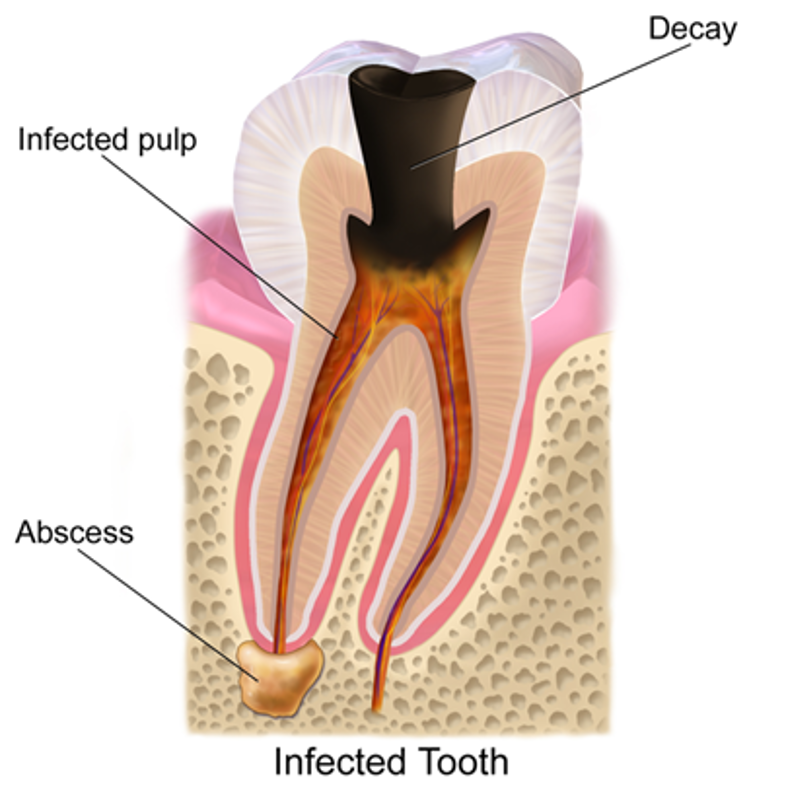
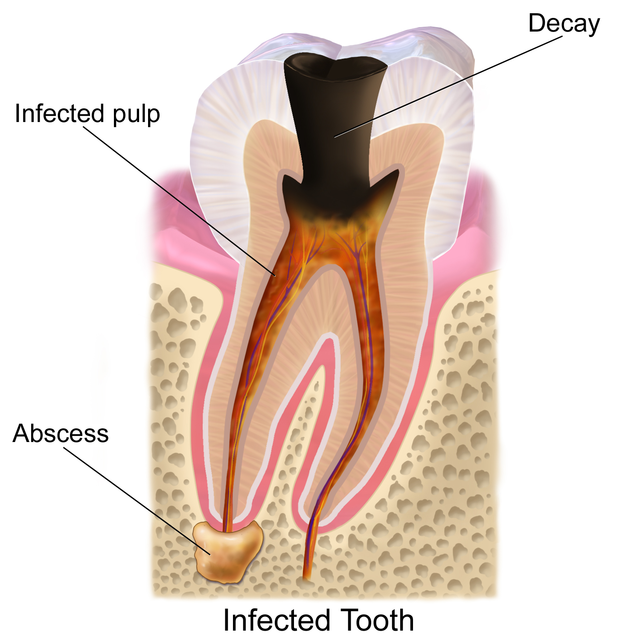
It may seem okay to wait on dental care if a cavity does not hurt. However, cavities do not stop growing. When a cavity is not treated, the tooth continues to break down. Once the decay reaches the inside, or nerve, of the tooth, the pain can be very strong. It can make eating, sleeping, or talking difficult.
If the nerve becomes decayed, the tooth can die. At this point, the tooth cannot be fixed with a filling. Rather, the tooth needs a root canal which takes more time and is more expensive than a filling.
If the pain is really severe, people may go to the emergency department. Here, treatment can cost three times as much as a visit to the dentist. While paying for dental care can be difficult, regular checkups cost a lot less. Fixing problems early is usually cheaper than waiting until they are serious.
Insurance Options
Traditional Dental Insurance
Knowing how your dental insurance works can help you save money. Most dental plans have a yearly limit. This limit is usually between $1,000 and $2,000. The limit is the most the insurance will pay in one year. After you reach this amount, you must pay the rest yourself.
Most plans also have a deductible. A deductible is the amount you pay before insurance helps. This is usually between $50 and $150. After the deductible, you pay part of each visit. This is called a copay or coinsurance.
Dental insurance groups care into three main types.
Preventive Care
-
- This includes cleanings, check-ups, and X-rays.
- Insurance typically pays 100% of the cost.
Basic Procedures
-
- This includes fillings, deep cleanings for your gums, and simple tooth removals.
- Insurance usually pays 70-80%. You pay the rest.
Major Procedures
-
- This includes crown, bridges, root canals, and dentures.
- Insurance usually covers 50% and you pay the other half.
Elective Procedures
Elective procedures are usually not covered. This includes braces for adults, teeth whitening, and implants.
Do I need dental insurance to see a dentist?
No, you do not need dental insurance to visit a dentist. Many people pay for care themselves. Dentists are used to working with patients without insurance.
How can I know how much my treatment will cost?
The best approach is to ask your dentist for a treatment plan before you start care. A treatment plan shows the work you need and the cost. Your dentist can send this plan to your insurance company and the insurance company can explain what they will pay. They will also explain what you have to pay. If you do not have insurance, the dentist will show you the full price. You can ask if there are payment plans available. Knowing the cost ahead of time helps you plan. Dentists usually appreciate when patients ask questions.
Other Ways to Pay for Dental Care
Dental insurance is not the only option. Some dental offices have payment plans. This allows you to pay for care overtime, instead of all at one time. In addition, dental schools and teaching clinics offer lower cost care than private practice. Here, dental students are trained by supervised dental professionals. Finally, community health centers often offer free or reduced cost care based on income. Many of these clinics accept Medicaid and uninsured patients. Services are usually limited to more preventive, restorative, and emergency care. Here is a map of community health centers in NC:
Government Assistance Programs
Medicaid and CHIP
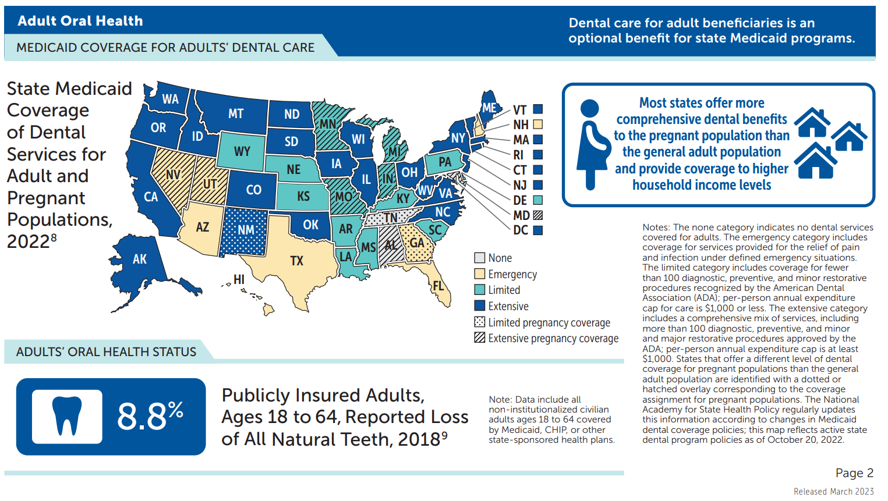
Medicaid dental coverage for adults depends on the state. All states must cover dental care for children through the Children’s Health Insurance Program (CHIP) or Medicaid. Dental services for children include relief from pain and infections, fillings, and regular checkups. States list all dentists that participate in CHIP on InsureKidsNow.gov.
State-by-state variations for adult coverage can be found on Care Quest 2025 Report.
Medicare Coverage
In most cases, Medicare does not cover dental care like routine cleanings, fillings, tooth extractions, or dentures. Medicare (Parts A and B) may cover medically necessary dental care that is needed during hospital stays.
Medicare Advantage plans often include dental care. This includes cleanings, fillings, dentures, and implants. Medicare may cover dental care needed during hospital stays. Medicare Advantage plans are offered by private insurance companies. You can choose the plan that works for you, typically based on location, and pay for this on top of your regular Medicare coverage. Open enrollment for plans happens annually between October 15 and December 7th.
Veterans Affairs Dental Benefits
If you are eligible for VA benefits, you may be able to receive some of your dental care through the VA.
State-Specific Assistance Programs
Different states may offer dental assistance programs that can help alleviate high dental care costs. North Carolina has Safety Net Dental Clinics that are non-profit dental clinics where low-income families or individuals can receive dental care (NCDHHS, Safety Net Dental Clinics).
You can find a North Carolina Safety Net Dental Clinic near you by checking online.
Money-Saving Strategies
Preventive Care First
Spending money on preventive dental care is one of the smartest health choices you can make. Regular cleanings and checkup every six months can find problems like cavities, gum disease, and oral cancer. When problems are found early, they are easier and cheaper to fix. A cleaning costs much less of what you would pay for a root canal or crown. Catching issues early can save you hundreds or even thousands of dollars over time. Most dental insurance cover cleanings and check up in full, so they are usually free if you have insurance.
Taking care of your teeth every day helps prevent expensive dental problems. Brush twice daily with fluoride toothpaste for two minutes each time. Floss everyday between your teeth. Try to eat fewer sugary snacks and drinks because sugar helps cause cavities. Drinking water during the day helps wash away food and can make your teeth stronger if your water has fluoride in it. These habits cost very little money each day. But they can stop problems that would cost hundreds of dollars to fix.
Health Savings Accounts (HSAs) and Flexible Spending Accounts (FSAs)
HSAs and FSAs allow you to set aside money before taxes to pay for health care. You can use these accounts to pay for cleanings, fillings, and other dental costs that insurance does not fully cover.
HSAs let you keep any unused money from year to year. The money in an HSA can also earn interest without being taxed, which helps it grow over time. To have an HSA, you must be signed up for a high-deductible health plan. The money in an HSA belongs to you, even if you change jobs.
FSAs are offered by employers. Most FSAs require you to use the money within the year, or you lose it. Some employers give you extra time to use the money or let you carry over a small amount, up to $640.
Emergency Dental Care on a Budget
What Constitutes a True Dental Emergency
Get dental health right away if you have bleeding that will not stop or severe pain or facial swelling immediate dental care for uncontrolled bleeding, severe pain, a fever and swelling. These problems need quick treatment to stop them from getting worse.

For smaller problems, like losing a filling, having a mild toothache, or breaking a crown, you can often manage the pain for a short time. You can take store-bought pain medicine. You can use temporary dental cement from a pharmacy to cover a lost filling. Rinsing your mouth with salt water may also help. These fixes may help for one or two days until you can see your dentist. Call your dentist’s office and ask what to do. They may give you advice or schedule you during normal hours instead of as an emergency visit, which usually costs more.
Additional Resources
Tools and Websites
Websites like FairHealthConsumer.org and Healthcare Bluebook can help you find the usual cost of dental care in your area. The National Association of Dental Plans (NADP.org) has information to help you understand dental insurance and find lower-cost options.
Provider directories
Search the Health Resources and Services Administration (HRSA) directory at FindAHealthCenter.hrsa.gov for federally qualified health centers offering dental services on a sliding fee scale.
Financial assistance databases
The Dental Lifeline Network (DentalLifeline.org) provides free dental care to people with disabilities, older adults, and those that are medically vulnerable. United Way's 211 service (dial 2-1-1 or visit 211.org) connects individuals with local health resources and financial assistance programs.
Citations:
-
- Centers for Disease Control and Prevention. (2024, May 15). Health disparities in oral health. CDC. https://www.cdc.gov/oral-health/health-equity/index.html
- American Dental Association. (n.d.). Emergency Department Referrals. Action for Dental Health. Retrieved January 12, 2026, from https://www.ada.org/resources/community-initiatives/action-for-dental-health/emergency-department-referrals
- WebMD. (n.d.). Free or low-cost dental care for the uninsured. Retrieved January 12, 2026, from https://www.webmd.com/health-insurance/uninsured-free-low-cost-dental
- Anthem. (n.d.). Dental and vision insurance coverage basics. Retrieved January 12, 2026, from https://www.anthem.com/individual-and-family/insurance-basics/dental-vision-insurance/coverage
- Medicaid.gov. (n.d.). Dental care. Retrieved January 12, 2026, from https://www.medicaid.gov/medicaid/benefits/dental-care
- Medicaid.gov. (2023). Oral health at a glance. Retrieved January 12, 2026, from https://www.medicaid.gov/medicaid/benefits/downloads/2023-oral-health-at-a-glance.pdf
- Medicare.gov. (n.d.). Dental services. Retrieved January 12, 2026, from https://www.medicare.gov/coverage/dental-services
- Medicare.gov. (n.d.). Medicare plan compare. Retrieved January 12, 2026, from https://www.medicare.gov/plan-compare/?gad_campaignid=23101608197#/?year=2026&lang=en
- U.S. Department of Veterans Affairs. (n.d.). Dental care. Retrieved January 12, 2026, from https://www.va.gov/health-care/about-va-health-benefits/dental-care/
- FSAFEDS. (n.d.). Limited expense health care flexible spending account (LEX HCFSA). Retrieved January 12, 2026, from https://www.fsafeds.gov/explore/lex-hcfsa