Throughout the Lifespan
Pediatric Dental Care
Older Adults
Pregnant Individuals
Pediatric Dental Care
Getting baby teeth is an exciting milestone! Taking care of them is very important. Baby teeth help children chew food, speak clearly, smile, and make space for adult teeth to grow into place. Many people do not realize the importance of primary teeth. The following information will help you keep your child’s smile healthy.
Baby Teeth Basics
Your baby is born with 20 teeth hiding below the gums. They start to come in between 6 months and 1 year old. The first four teeth push through around six months, but some do not come in until 12–14 months. By 3 years old, most children have all 20 baby teeth.
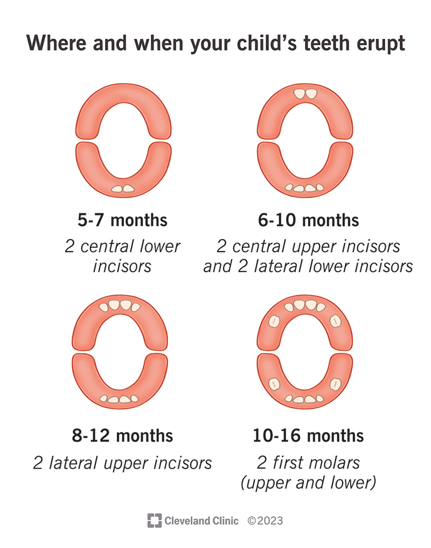
Stages of a Child’s Tooth Care
Begin brushing your child’s teeth as soon as the first tooth comes in. Their first dental visit should be by their first birthday. For children under 3, use a smear of fluoride toothpaste about the size of a grain of rice; for children ages 3 to 6, use around a pea-sized amount. Permanent teeth emerge around ages 6 or 7 and will continue to erupt throughout teenage years.
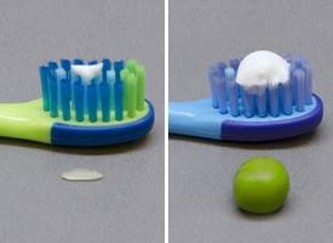
Remember, “pea at three”!
Healthy Habits to Prevent Cavities
Start healthy habits early to set the foundation for lifelong oral health. Children should brush their teeth for two minutes two times a day using fluoride toothpaste. Schedule their first dental visit no later than their first birthday. Do not share utensils and cups to stop cavity causing germs from passing to your child. Ask your dentist about dental sealants for extra protection. Aim to limit pacifier use to sleep time only, as continued use can affect the growth and development of the mouth and teeth.
Pacifiers and Thumbsucking
How can thumbsucking affect my child’s teeth?
If a child keeps sucking their thumb after adult teeth come in, it can change how the mouth grows and how straight the teeth are. It can also change the shape of the roof of the mouth. Pacifiers can cause the same problems, but they are often easier to stop.
When do children stop sucking their thumbs?
Most children stop on their own before adult teeth come in, so it usually is not a problem. If your child’s teeth are changing and they still suck their thumb, talk to a dentist.
How can I help my child stop thumbsucking?
Children often suck their thumbs when they feel nervous or need comfort. Try to find what is bothering your child and give them support. Older kids can help choose a plan to stop.
Teething
Teething is when a baby’s primary teeth push through the gums. This usually occurs between 3 months and 1 year of age. Signs start a few days before the teeth emerge and last till a few days after.
Signs of teething:
-
- Fussiness
- Chewing
- Drooling
- Chin rash
- Swollen gums
- Decreased appetite
- Trouble sleeping
To help with pain:
-
- Give a chilled (not frozen) teething ring
- Use a cold, wet washcloth
- Gently massage baby’s gums
Bottle-Feeding and Tooth Decay
Using the bottle the wrong way can cause cavities. To help prevent this:
-
- Do not put your baby to bed with a bottle of milk.
- Do not use the bottle like a pacifier.
- Only put formula, breast milk, or water in bottles.
- Try to stop bottle use by age 1.
A Child’s First Dental Visit
Help make the first visit a good experience:
-
- Choose a morning appointment when your child is well rested.
- Stay calm and positive. Children can pick up on any nerves.
- Do not use the dentist as a threat or punishment.
- Talk with your child about what will happen.
At this visit, expect:
-
- Check for cavities or injuries.
- See if your child may get cavities easily.
- Clean their teeth.
- Talk about teething, pacifier use, or thumbsucking.
- Plan next visit if needed.
Dental Sealants
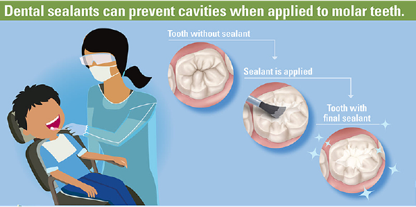
Dental sealants are thin coatings painted on top of the teeth to prevent cavities.
Should my child get sealants?
Yes. Cavities are very common in children. Cavities can cause pain and problems in eating and speaking. Sealants act like a shield from cavities.
When are sealants placed?
Around age 6 for 1st molars and age 12 for 2nd molars.
Do sealants hurt?
No. The tooth is cleaned, dried, and the sealant is painted on. A special light is used to harden and make it into a cavity shield.
How long do they last?
Sealants last many years but should be checked at dental visits. If one falls off, it can be easily replaced.
Pediatric Dental Emergencies
Emergencies can happen fast, so it’s important to know how to help your child:
| Chipped tooth |
|
| Knocked out tooth |
|
| Toothache |
|
| Bitten Lip or Tongue |
|
Preventing Dental Injuries
- Make your home safe to prevent falls. Cushions on sharp corners or soft tiles.
- Do not let child chew on ice, popcorn kernels, or hard foods.
- Use mouthguard for sports.
Dental Treatment
Are X-rays important?
Yes, they help find problems early, like cavities or teeth growing in the wrong place. They help dentist see what can not be seen with their own eyes. They are very safe with small amounts of radiation.
Is adult teeth growing behind baby teeth a problem?
No. This is a common occurrence. Usually, the baby tooth will loosen and fall out on its own in a couple months. If it is not wiggly after this time, call your dentist.
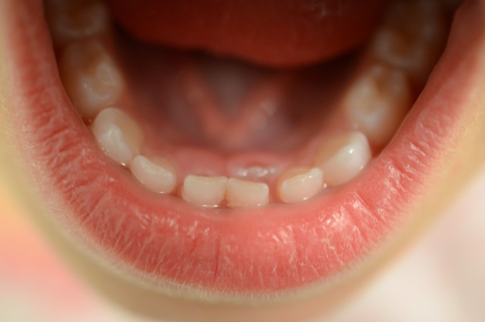
Image citation: Permanent Tooth Eruption
Why treat baby teeth if they’re going to come out anyways?
Baby are important because they:
-
- Hold space for adult teeth and guide them into position.
- Help children chew food
- Aid in clear speech
- Help jaw grow properly
- Give children confidence
Common Dental Treatment for Kids
Pediatric dentistry includes treatments that keep children’s teeth healthy. They are designed to meet kids’ needs and keep their smiles strong as they grow.
Tooth-colored fillings
- Replace cavities and restore look and function of tooth
Crowns
- Used when cavity is too large to hold a filling
- Stainless steel crowns, or “silver caps”, are most common as they are durable, protective, and cost effective.
- Will fall out together with baby tooth.
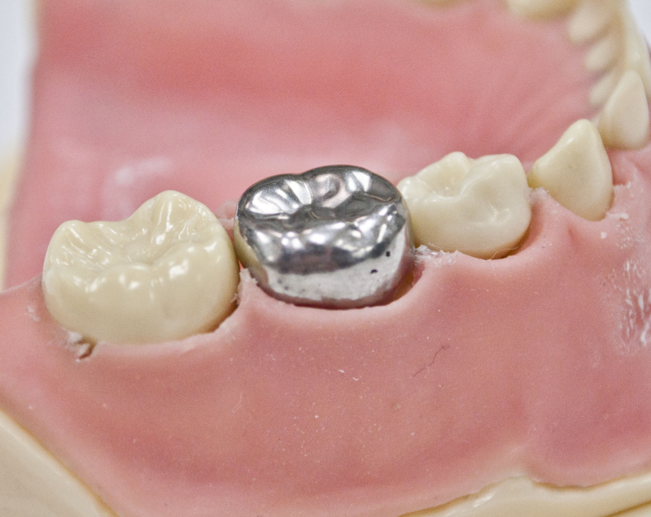
Image citation: SSC
Pulpotomy
-
- “Baby root canal” for when a cavity approaches the nerve of the tooth.
Space maintainers
-
- When a baby tooth is lost prematurely
- Prevent neighboring teeth from moving in, holding the space for the permanent tooth.
Silver diamine fluoride
-
- Type of fluoride that contains silver ions.
- Used as quick alternative involving no pain or discomfort.
- Applied to cavity to kill bacteria and slow tooth decay.
- Tooth turns black where SDF is applied.
Extraction
-
- If teeth have severe infection, trauma, or overcrowding.
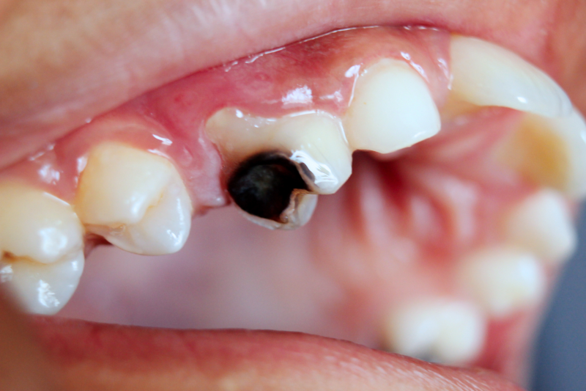
Image citation: SDF
Orthodontics
Orthodontists help with growth problems, improper bite, crowding, and missing teeth. It is recommended to visit orthodontists around age seven. At this age, children have both baby and adult teeth, allowing orthodontists to correct problems while they are still growing. Not every child will need orthodontic treatment.
Citations
-
- American Dental Association. (2025). Your baby’s first dental visit. MouthHealthy. https://www.mouthhealthy.org/life-stages/babies-and-kids/first-dental-visit-for-baby
- American Dental Association. (n.d.). Baby Teeth. MouthHealthy. https://www.mouthhealthy.org/all-topics-a-z/baby-teeth
- American Dental Association. (2025). Tooth decay with baby bottles. MouthHealthy. https://www.mouthhealthy.org/all-topics-a-z/tooth-decay-with-baby-bottles
- American Dental Association. (n.d.). Healthy habits – Babies and kids. MouthHealthy. https://www.mouthhealthy.org/life-stages/babies-and-kids/healthy-habits-babies-and-kids
- American Dental Association. (2025). Thumbsucking. MouthHealthy. https://www.mouthhealthy.org/all-topics-a-z/thumbsucking
- American Dental Association. (n.d.). Teething. MouthHealthy. https://www.mouthhealthy.org/all-topics-a-z/teething
- American Dental Association. (2025). Tooth decay with baby bottles. MouthHealthy. https://www.mouthhealthy.org/all-topics-a-z/tooth-decay-with-baby-bottles
- American Dental Association. (2025). Sealants. MouthHealthy. https://www.mouthhealthy.org/all-topics-a-z/sealants
- American Dental Association. (2025). Dental emergencies. MouthHealthy. https://www.mouthhealthy.org/all-topics-a-z/dental-emergencies
- American Dental Association. (2024, March 14). X-rays/radiographs. ADA Library & Archives. https://www.ada.org/resources/ada-library/oral-health-topics/x-rays-radiographs
- American Academy of Pediatric Dentistry. (2024). Management of the developing dentition and occlusion in pediatric dentistry. https://www.aapd.org/globalassets/media/policies_guidelines/bp_developdentition.pdf
- American Academy of Pediatric Dentistry. (2022). Pediatric restorative dentistry: Best practices. https://www.aapd.org/globalassets/media/policies_guidelines/bp_restorativedent.pdf
- American Association of Orthodontists. (2025). Orthodontics for children: Developing a healthy smile. AAO. https://aaoinfo.org/child-orthodontics/
Older Adults
As we get older, dental problems can become more common. This can happen because we make less saliva, the gums recede, and mobility limitations making it harder to brush and floss. Knowing how to prevent these problems can help keep your mouth healthy.
How to Maintain Good Oral Health
-
- Practice good oral hygiene habits
Brush twice a day with fluoridated toothpaste and floss regularly. - Limit food and drinks with added sugar
Sugar in food and drinks can cause cavities. - Don’t use tobacco products
Smoking and tobacco products can cause oral cancers, tooth decay, and gum disease that can lead to pain or tooth loss. - Drink alcohol in moderation
Too much alcohol consumption can cause bleeding and swollen gums, dry mouth, cavities, and oral cancer. - Visit the dentist every 6 months, even if you are missing teeth
If you wear dentures or have lost teeth, visit the dentist at least once a year to screen for any oral health problems. - Rinse mouth with water after using an inhaler or medication syrup
Rinsing after medication use washes away the medication acidity and creates a better oral environment.
- Practice good oral hygiene habits

Brushing and Flossing at an Older Age
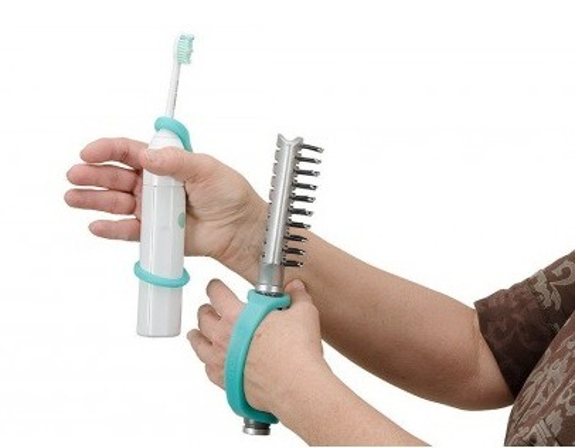


As we age, it may be harder to hold a toothbrush or floss. You can make brushing easier by:
-
- Adding foam tubing, gauze, or a tennis ball to the tooth brush handle for an easier grip
- Using an electric toothbrush to reduce arm movement.
- Using a toothpaste squeezer if it is hard to squeeze the tube.
Instead of regular dental floss, you can try:
1) Water flossers

Genesis Dentists. (n.d.). Water flosser [Image]. In What are the benefits of using a water flosser? Genesis Dentists. https://genesisdentists.com.au/what-are-the-benefits-of-using-a-water-flosser/
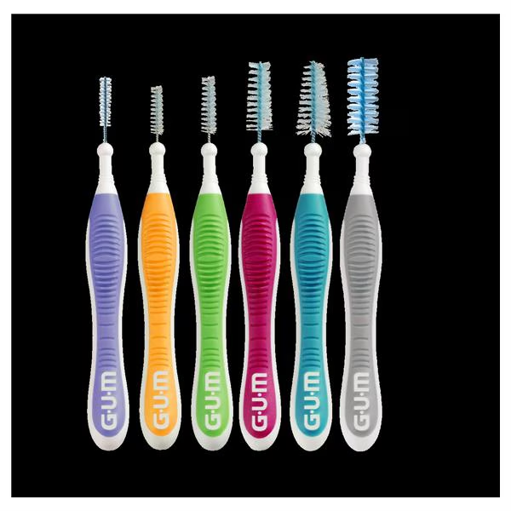
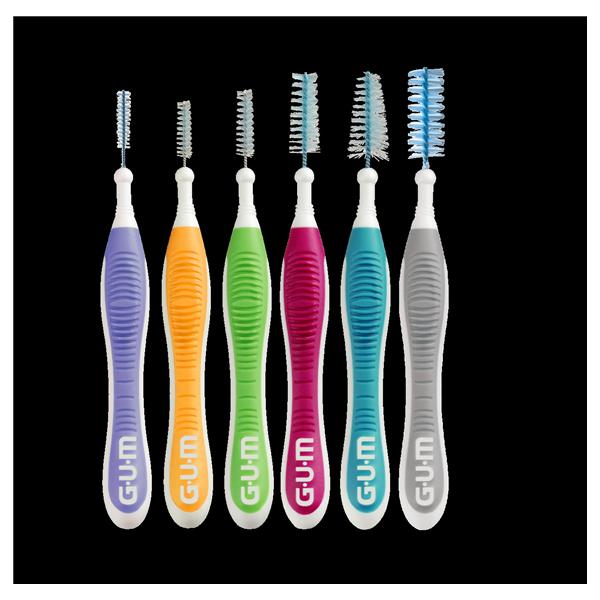
2) Interdental brushes, small brushes made to clean between teeth
3) Floss sticks with handles
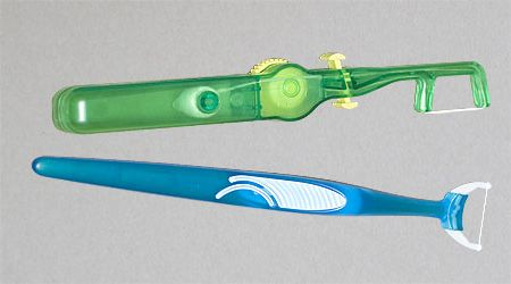
Feelfree. (2006, October 12). Hand-held dental floss [Photograph]. Wikimedia Commons. https://commons.wikimedia.org/wiki/File:Hand-held_dental_floss.jpg

Caregiver Information for Brushing
If you care for someone who cannot brush on their own, you can help by:
-
- Sitting them upright in a well-lit area.
- Washing your hands and wearing gloves.
- Gently removing dentures or partials.
- Checking for food between teeth and cheeks with your finger or damp gauze.
- Squeezing a pea-sized amount of fluoride toothpaste on a soft bristled brush.
- Placing the bristles at a 45-degree angle towards the gumline to clean the teeth and gums.
- Brushing all sides using small circular motions.
- Brushing the tongue.
If they cannot rinse and spit, give them a sip of water or wipe their mouth gently with damp gauze.
To avoid biting, a foam mouth rest can be placed at the back teeth to keep the mouth open safely while brushing the opposite side. Complete for both sides.
Dry Mouth and Aging
Dry mouth is common in older adults and is caused by dehydration and side effects of medication and cancer treatments. Signs of dry mouth include dryness and stickiness, thick saliva, bad breath, and a changed sense of taste. Dry mouth can cause trouble chewing, speaking, and swallowing, leading to cavities and problems with dentures staying in the mouth.
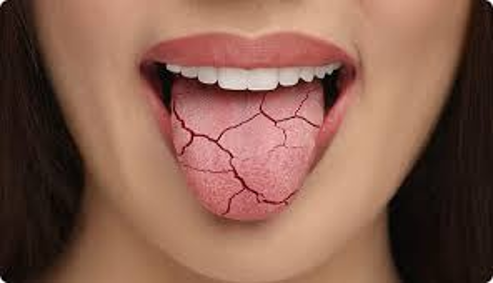
Aquoral Spray. (n.d.). Image related to antihypertensives and dry mouth relief [Photograph]. Aquoral Spray. https://aquoralspray.com/medications/antihypertensives/
There are a few ways to combat dry mouth:
-
- Sip water or sugarless drinks often: This makes chewing and swallowing easier and improves the taste of food.
- Avoid drinks with caffeine: Drinks like coffee, tea, and sodas can dry the mouth.
- Chew sugarless gum or suck on sugarless hard candy: Sugar-free gum and hard candy stimulate the flow of saliva.
- Talk to your doctor: Some medications can cause dry mouth. Your doctor can provide alternatives that has the same effect and reduces dry mouth.
Dentures
Taking care of your dentures is as important as taking care of your teeth. These steps help ensure your dentures stay clean, free of stains, and comfortable:
-
- Rinse dentures after meals to remove food.
- Remove dentures nightly and brush with a soft-bristled brush and a non-abrasive denture cleanser (soap is fine, but do NOT use toothpaste). If you use denture adhesive, clean areas that touch your gums to get rid of any leftover adhesive.
- Soak dentures in water or solution overnight. Change water and solution daily.
- Clean gums, tongue, and cheeks after removing dentures with soft-bristled brush or wet gauze. Remove any leftover dental adhesive on gums.
- Rinse and brush your dentures before putting them back in.
- Schedule dentist appointments to check your oral health, how dentures fit, and get your dentures professionally cleaned.
- Call dentist if you notice sore spots, redness, or pain.
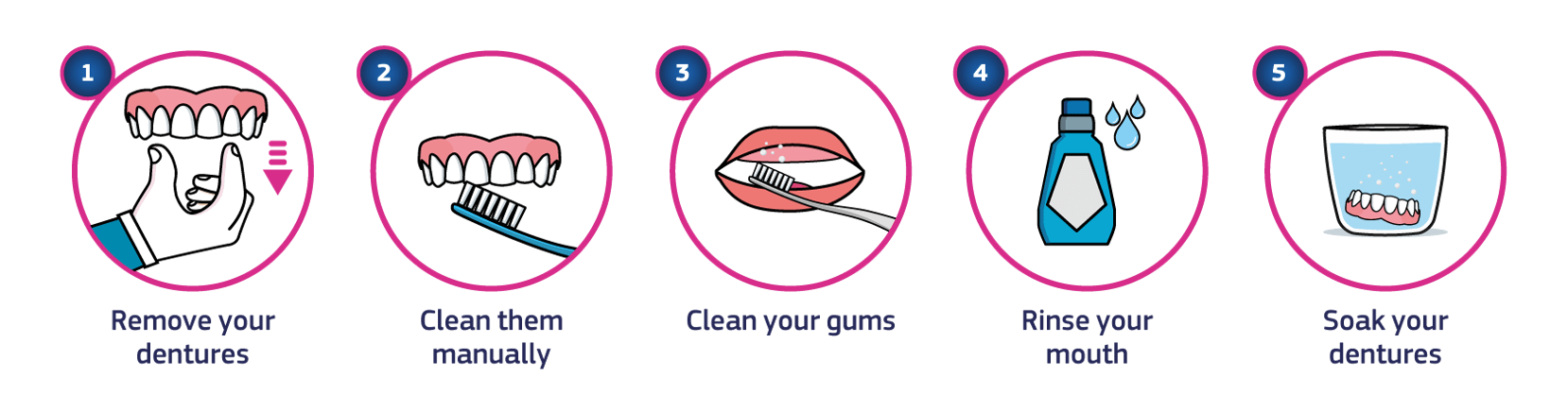
DentureLiving. (2021, October 6). How to safely remove dentures and properly clean them [Infographic]. DentureLiving. https://www.dentureliving.com/en-us/advice-tips/living-with-dentures/cleaning-maintenance/how-to-remove-dentures/
Citations
-
- Food and Drug Administration. (2024, November 19). How tobacco use affects oral health. U.S. Food and Drug Administration. https://www.fda.gov/tobacco-products/health-effects-tobacco-use/how-tobacco-use-affects-oral-health
- American Dental Association. (2025). Effects of alcohol consumption on oral health. ADA News. https://adanews.ada.org/huddles/effects-of-alcohol-consumption-on-oral-health/
- Godara, N., Godara, R., & Khullar, M. (2011). Impact of inhalation therapy on oral health. Lung India, 28(4), 272–275. https://www.ncbi.nlm.nih.gov/pmc/articles/PMC3213714/
- Centers for Disease Control and Prevention. (2024, May 15). Oral health tips for adults. CDC. https://www.cdc.gov/oral-health/prevention/oral-health-tips-for-adults.html
- National Institute of Dental and Craniofacial Research. (2018). Brushing: Information for caregivers (PDF). U.S. Department of Health and Human Services. https://www.nidcr.nih.gov/sites/default/files/2018-08/Brushing-508_0.pdf
- Mayo Clinic. (2023, December 19). Dry mouth — symptoms & causes. Mayo Clinic. https://www.mayoclinic.org/diseases-conditions/dry-mouth/symptoms-causes/syc-20356048
- National Institute of Dental and Craniofacial Research. (2018). Dry mouth & older adults: Information for caregivers (PDF). U.S. Department of Health and Human Services. https://www.nidcr.nih.gov/sites/default/files/2018-08/DryMouth%26OlderAdults-508.pdf
- Mayo Clinic. (2024, January 19). What’s the best way to care for removable dentures? Mayo Clinic. https://www.mayoclinic.org/healthy-lifestyle/healthy-aging/expert-answers/denture-care/faq-20058375
Pregnant Individuals
How Pregnancy Impacts Your Oral Health – Caring for You and Your Baby
When you are pregnant, your body goes through many changes. Changes in hormones, eating habits and morning sickness can all affect your teeth and gums. Taking care of your dental health helps keep both you and your baby healthy.
Watch this video for more general information about oral health during pregnancy.
How to Improve Oral Health During Pregnancy
When you are pregnant, you can do the following to keep your mouth healthy:
-
- Make and keep regular dental appointments.
- Brush with fluoride toothpaste at least 2x daily.
- Talk to a dentist about ways to prevent or treat dental problems.
- If you have morning sickness, make sure to rinse your mouth with water. Do not brush your teeth right after throwing up.
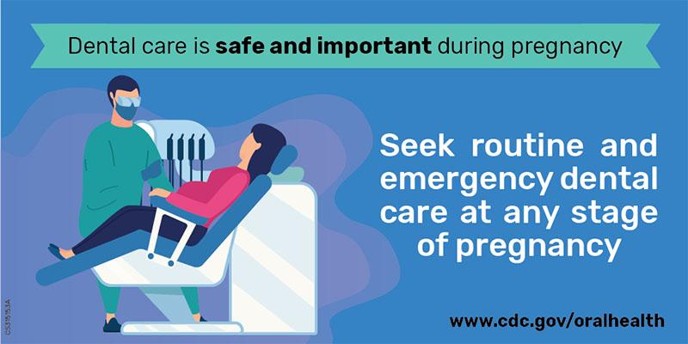
Centers for Disease Control and Prevention. (2024). Dental care is safe and important during pregnancy [Infographic]. U.S. Department of Health and Human Services.
Common Questions During Pregnancy
Is it safe to have a dental visit while pregnant?
Yes! In fact, it’s recommended.
When should I have a dental check-up when I am pregnant?
Get a dental check up before your baby is born.
If it has been more than six months since your last visit, or if you have tooth or gum problems, make an appointment as soon as you can.
What information should I tell my dentist about my pregnancy?
Tell your dentist that you are pregnant and your due date.
Tell them any medicines you take.
Tell them if you have any health problems.
Tell them if you have a high risk pregnancy.
Is fluoride toothpaste safe to use while pregnant?
Fluoride toothpaste is safe and helps prevent cavities.
Are dental treatments safe during pregnancy?
X-rays, numbing medicine, and most pain medicines are safe when your dentist knows you are pregnant.
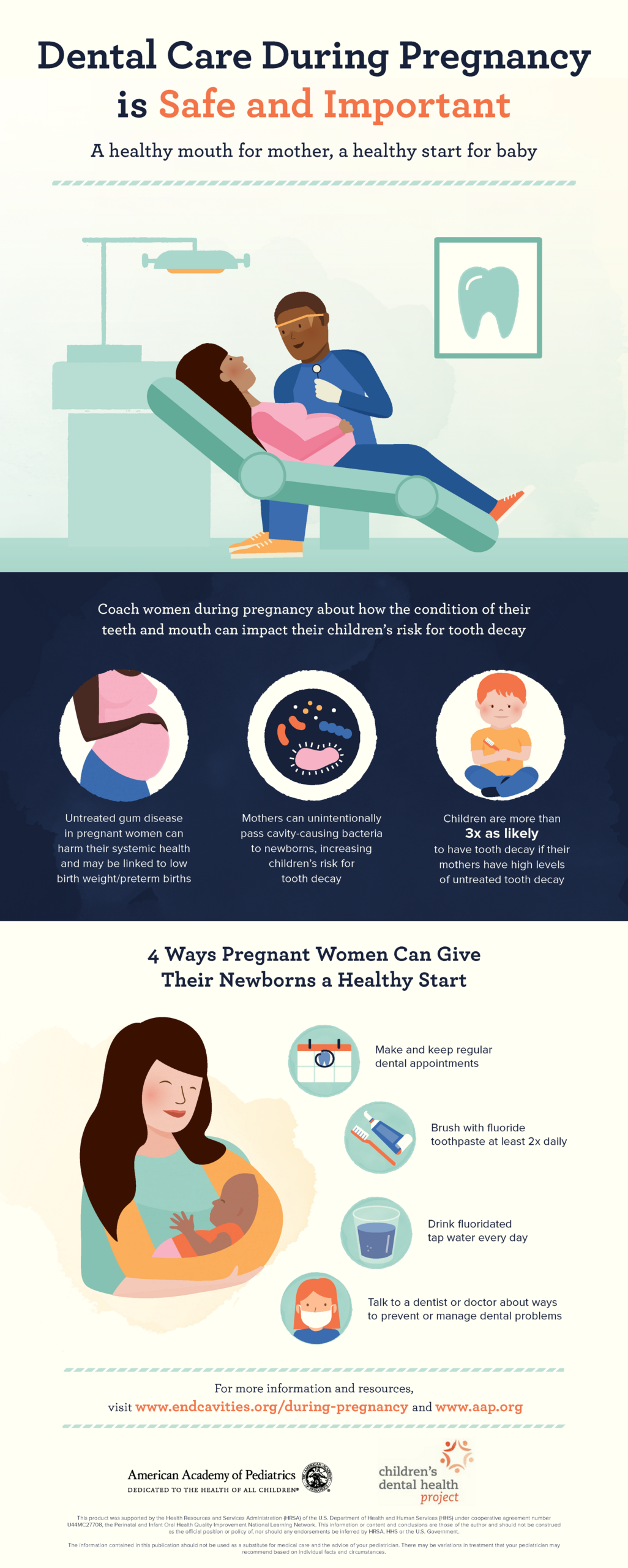
Common Oral Health Questions Asked by Postpartum Individuals
How do I care for my baby’s mouth before teeth come in?
-
- After each feeding and before bed, gently wipe your baby’s gums with a clean cloth.
- Keep taking care of your own teeth and gums.
- Do not clean pacifiers with your mouth.
What should I do when my baby is teething?
-
- Gently rub your baby’s gums with a clean finger.
- You can also let your baby chew on a clean, wet washcloth.
- Ask your doctor about safe teething rings.
What if my baby falls asleep with a bottle?
-
- Babies sometimes fall asleep while drinking from a bottle.
- If this happens, gently wipe their gums with a soft, clean cloth.
- This helps remove sugar and germs that can cause cavities.
- Try not to put your baby to bed with a bottle.
When should I start brushing my baby’s teeth?
-
- Start brushing as soon as the first tooth appears.
- Brush two times a day.
- Use a tiny smear of toothpaste, about the size of a grain of rice.
When should my baby see a dentist?
-
- Your baby should see a dentist when the first tooth appears.
- Make sure they go no later than their first birthday.
Are baby teeth important?
-
- Baby teeth are very important.
- Even though they will fall out, they need to stay healthy.
- Baby teeth help children chew food and speak clearly.
- They also hold space for adult teeth.
- The germs that cause cavities in baby teeth can stay in the mouth and harm adult teeth later.
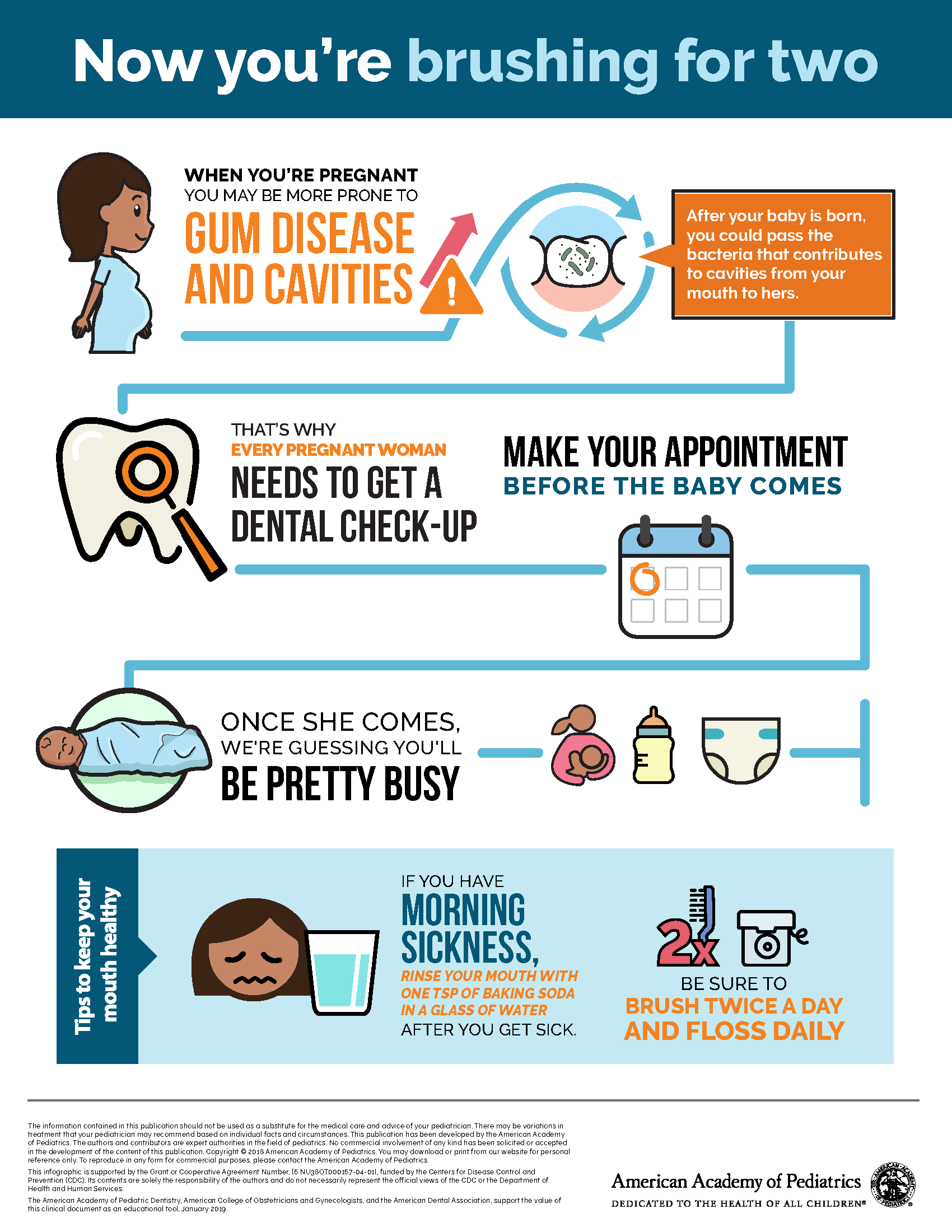
Citations:
-
- American Dental Association. (2025, July 14). Pregnancy. https://www.ada.org/resources/ada-library/oral-health-topics/pregnancy
- Centers for Disease Control and Prevention. (2024, May 15). Oral health tips for children. U.S. Department of Health and Human Services. https://www.cdc.gov/oral-health/prevention/oral-health-tips-for-children.html
- American Dental Association. (n.d.). Your baby’s first dental visit. MouthHealthy. https://www.mouthhealthy.org/life-stages/babies-and-kids/first-dental-visit-for-baby
- American Dental Association. (n.d.). Baby teeth. MouthHealthy. https://www.mouthhealthy.org/all-topics-a-z/baby-teeth
- Nationwide Children’s Hospital. (n.d.). Dental: Teeth and gum care for infants and toddlers. https://www.nationwidechildrens.org/family-resources-education/health-wellness-and-safety-resources/helping-hands/dental-teeth-and-gum-care-for-infants-and-toddlers